The Mediterranean Diet, Lived. Not Just Eaten.
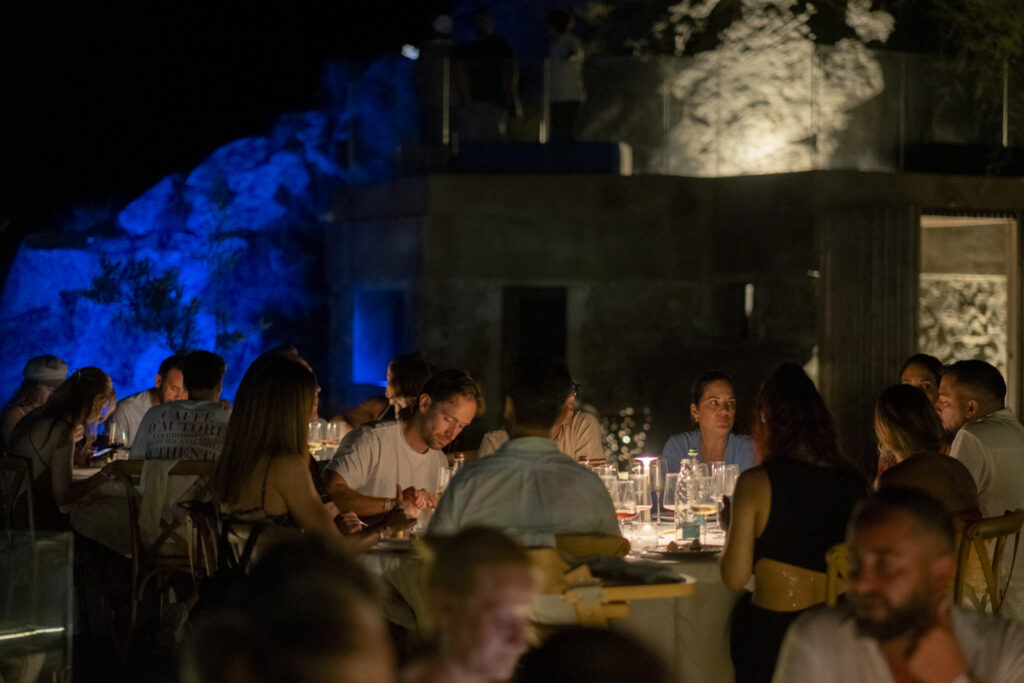
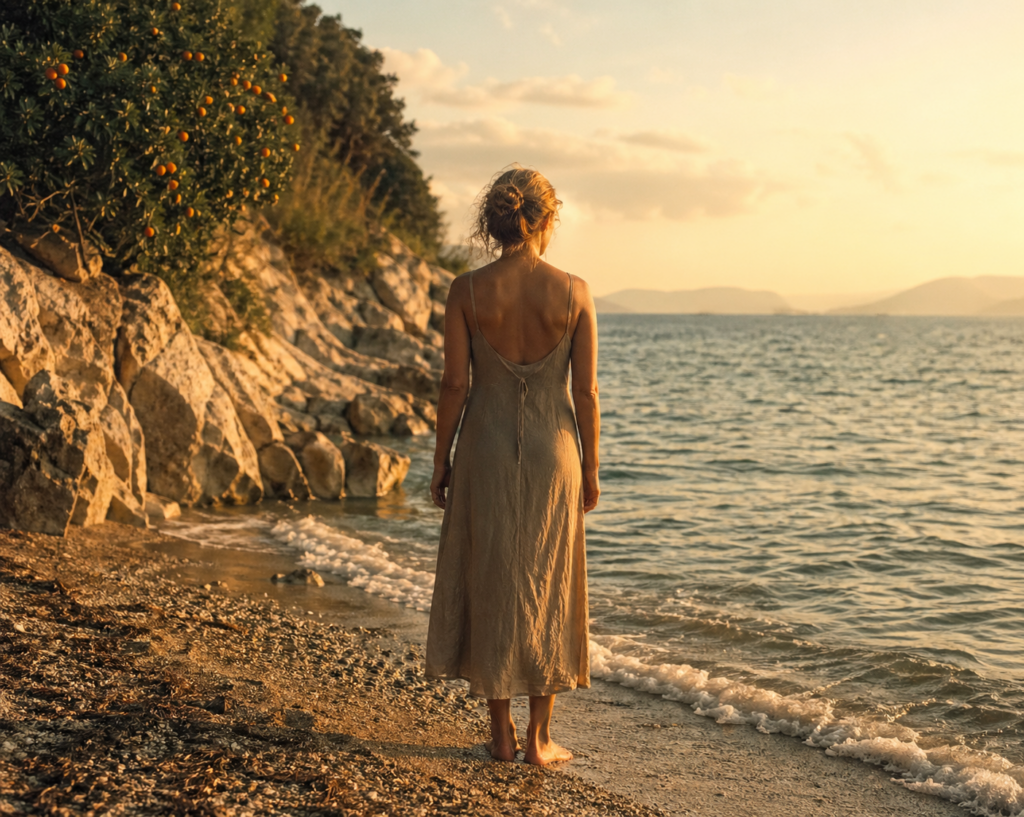
You have probably read about the Mediterranean diet. You know the outline: olive oil, legumes, fresh vegetables, grilled fish, red wine in moderation. Perhaps a pyramid. Perhaps a study from the New England Journal of Medicine. But here is what no study can fully capture: the way a meal feels when it was picked this morning and cooked by someone who has been making that dish for forty years. The way an olive oil tastes when you are standing in the grove where it came from. The way time slows when dinner is not a transaction but an occasion. That is the Mediterranean diet as it actually exists in Calabria, not as a nutritional framework but as a daily practice. And for one week every June, Calabria Food Fest opens that practice to the world. In Calabria, wellness isn’t a retreat. It’s a way of life, lived daily, even on an ordinary Tuesday morning. Why Calabria Is the Real Home of Mediterranean Living The term Mediterranean diet was largely codified by American researchers studying populations in Greece and southern Italy in the 1950s and 60s. They were not studying a cuisine. They were studying a culture; communities where food, movement, sunlight, and social connection were interwoven into ordinary life. Calabria sits at the toe of Italy’s boot, bracketed by the Ionian Sea to the east and the Tyrrhenian to the west. It is one of the least industrialized regions of the country, which sounds like a limitation until you understand what that means at the table. Small producers. Family farms. Olive groves that have been in continuous cultivation for centuries. A food system built on proximity rather than logistics. The health outcomes speak for themselves. Calabria has historically produced some of the oldest populations in Europe. The village of Molochio has been noted for its concentration of centenarians. Researchers continue to study why. The people who live there will tell you it is not complicated: good oil, good company, and no reason to rush. Sunrise on the Ionian: Movement as Medicine Calabria Food Fest 2026 begins each day the way the region itself begins, before the heat arrives, at the edge of the sea. Morning sessions on the Ionian coast are anchored to the kind of movement that the wellness industry has recently rediscovered and the Mediterranean world never abandoned. Gentle yoga at sunrise. Guided walks along the shoreline. Breathwork facing the water as the light changes from pale blue to the particular amber that only exists here, in this latitude, at this hour. This is not a gym programme transported to a prettier backdrop. The movement is tied to the place. Walking the Ionian at dawn is not an exercise; it is orientation. By the time breakfast arrives, you understand something about where you are that a map could not have told you. Zero-Kilometre Meals: The Diet That Starts at the Source Farm-to-table has become a marketing term in most of the world. In Calabria, it is simply how things work. The meals served during Calabria Food Fest are not curated approximations of local food; they are local food. Vegetables picked that morning. Pasta shaped by hand in the kitchen of the woman who taught her daughter, who will teach hers. Fish landed by boats that left before dawn from ports you can see from the table. Zero-kilometre dining, zero-km, as it is known in Italy, means the food has not travelled. Neither has the knowledge embedded in it. When a Calabrian cook makes pasta al ragù, they are executing centuries of accumulated understanding about heat, timing, and proportion. The nutritional value is real. But so is the cultural weight. The plate in front of you is not a meal. It is a document: centuries of knowledge about what this land produces and what the human body needs. Festival guests participate in farm visits, kitchen sessions, and long table dinners across the week. These are not demonstrations. They are invitations into the daily practice of a culture that has been doing this, correctly, for a very long time. Calabrian Olive Oil: The Liquid Foundation of Long Life If you understand one ingredient, understand this one. Calabrian olive oil is among the most polyphenol-rich in the world. Polyphenols are the compounds that give extra-virgin olive oil its bitterness, and its sting at the back of the throat, the quality that Italian tasters call piccante, and they are also the compounds most associated with its documented health effects: anti-inflammatory, cardioprotective, neuroprotective. The Calabrian climate: hot, dry summers; stony, well-drained soils; harvests timed earlier than most Italian regions, produces oil with distinctly high polyphenol content. Varieties like Carolea, Ottobratica, and Dolce di Rossano have been grown here for millennia. The trees themselves are often centuries old. During the festival, guests participate in guided tastings led by local producers who can explain what they are sensing in the oil: why bitterness signals health, what the colour tells you about oxidation, and how to distinguish fresh oil from oil that has been sitting in a warehouse since last year’s harvest. This is education that changes how you shop for the rest of your life. Slow Living by the Sea: What Wellness Actually Looks Like The wellness industry generates approximately $5 trillion annually. It sells optimisation, productivity, and the promise of a better version of yourself. The Mediterranean tradition offers something different and, arguably, more durable: the practice of being fully present where you already are. In Calabria, the concept of dolce far niente, the sweetness of doing nothing, is not laziness. It is a considered relationship with time. The afternoon riposo exists because the heat demands it, and because the body, permitted to rest, restores itself. The long dinner exists because eating alone and quickly is understood to be a form of poverty, regardless of what is on the plate. Calabria Food Fest builds unstructured time into its schedule deliberately. There are no back-to-back sessions. There are long lunches and unhurried evenings. There
The Mediterranean Diet, Lived. Not Just Eaten. Read More »